
Green Energy Practices
Going green doesn't have to cost a thing. Discover small, everyday habits that reduce your carbon footprint, cut household waste, and put money back in your pocket.
Smarter Thermostat Use
According to the Department of Energy, the average American household spends around $2,000 a year on energy, with 54% going toward heating and cooling. Homeowners lose $200–$400 annually through air leaks and inefficient systems alone. Upgrading to a programmable or smart thermostat and sealing drafts are among the highest-ROI improvements you can make — often paying back within a single season.
energy.gov — Energy Efficiency Upgrades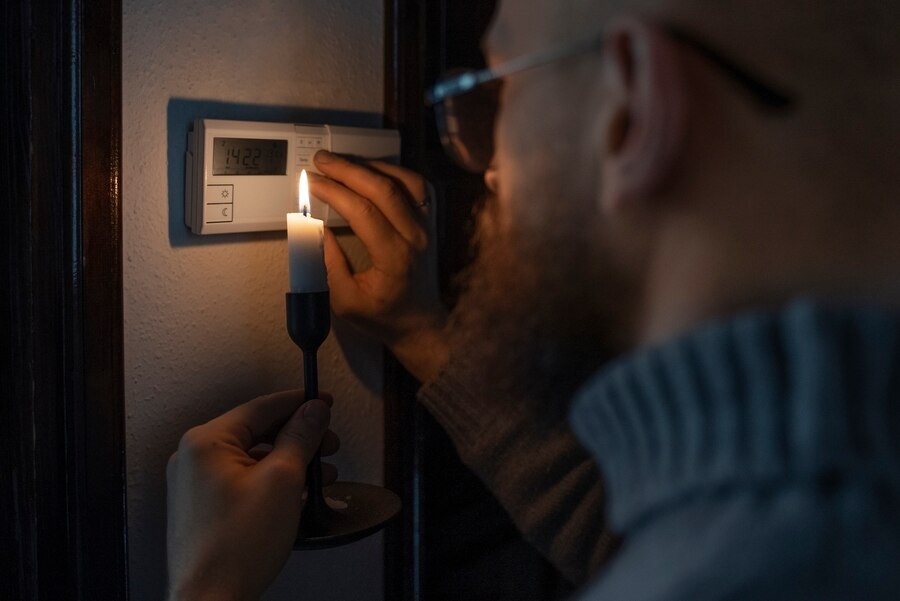
Reducing Food Waste
According to a Penn State study, US households waste an average of $1,866 worth of food per year — roughly 31.9% of everything purchased. Beyond the financial cost, this waste generates methane in landfills, a greenhouse gas far more potent than CO₂. Simple steps like meal planning, understanding date labels, and composting food scraps can dramatically cut your household's environmental and financial impact.
Zero Waste Chef — 15 Creative Uses for Food Scraps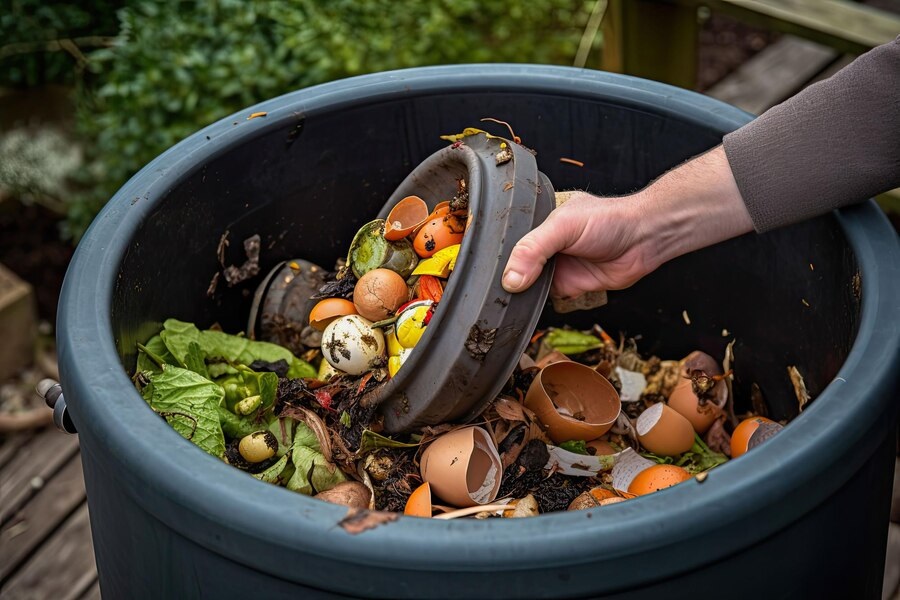
Responsible E-Waste
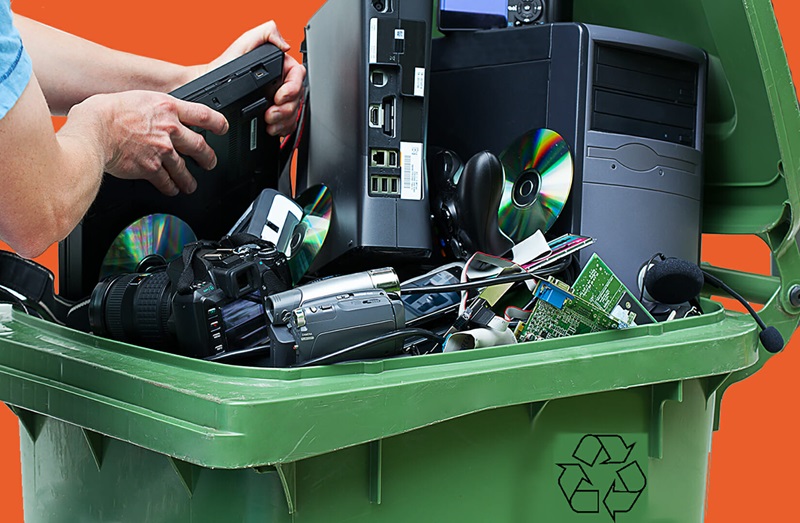
According to the EPA, only 25% of e-waste is properly recycled in the US. Electronics improperly discarded — or shipped overseas to unregulated facilities — release lead, cadmium, mercury, and nickel into soil and water. When recycling old devices, look for recyclers with e-Stewards certification, which guarantees electronics are processed domestically with proper safety standards. Wherever possible, repair rather than replace — most electronics fail due to a single component that costs far less to fix than a full replacement.
Simple Product Swaps
Many everyday items have greener alternatives that cost the same or less over time. Here are five easy switches that reduce waste and energy use.
Instead of…
-

Paper Plates
-
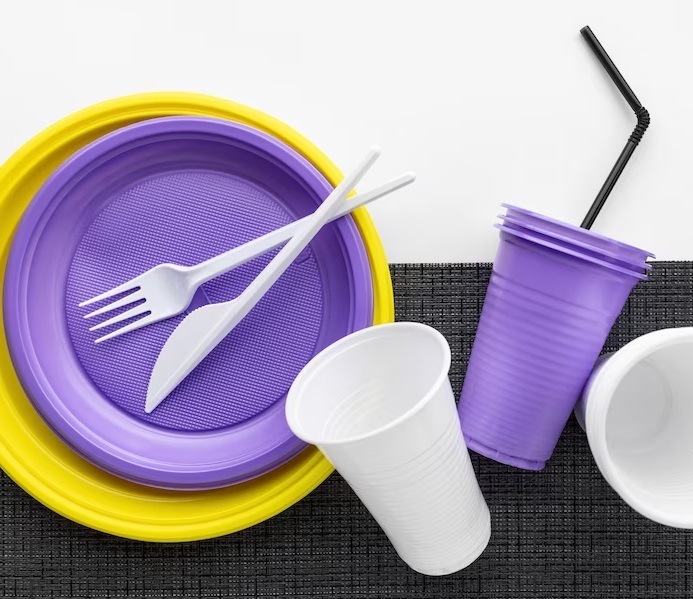
Plastic Utensils
-
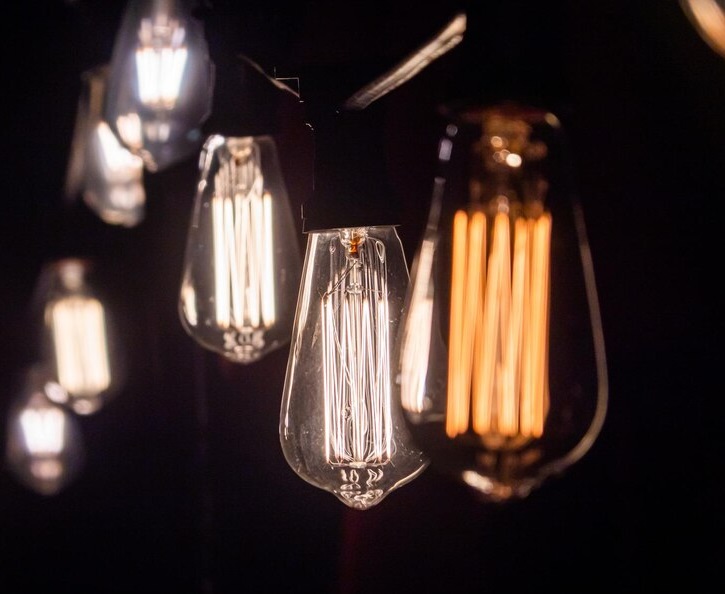
Incandescent Bulbs
-
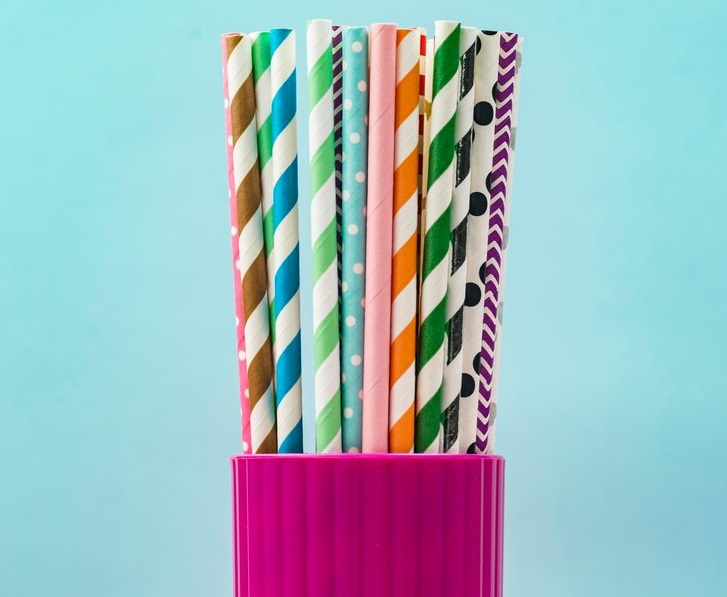
Plastic Straws
-
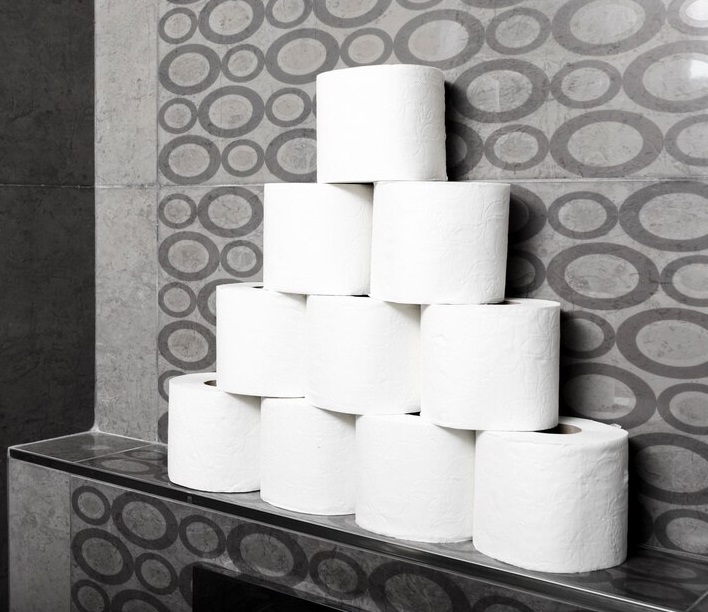
Paper Towels
Switch to…
-

Reusable Plates
-

Silverware
-
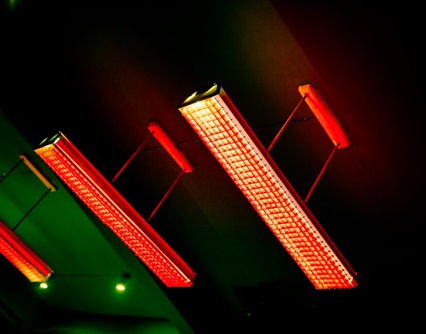
LED Bulbs
-
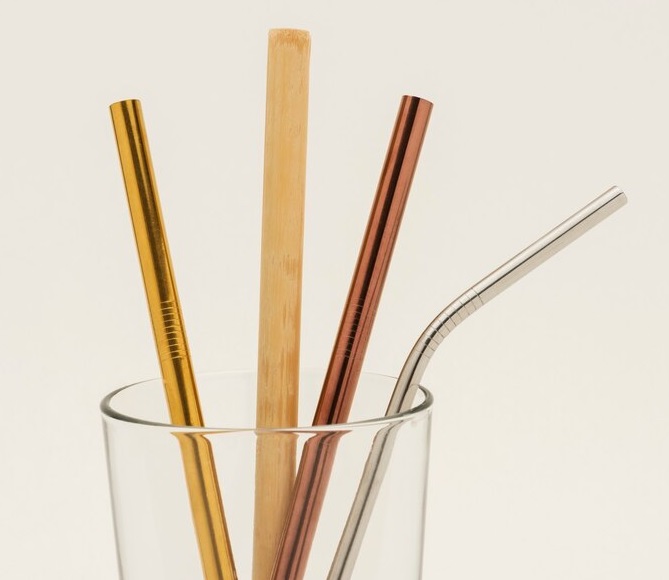
Metal Straw
-

Cloth Hand Towels